Dimraeth Pets Guide — Unlocks, Abilities and the Courier
How Dimraeth pets work: unlocking companions through Myrll, the Fangra Cub, Moon Cat, Carrion Parrot and Ember Hound, pet levels, and the Courier loot system.
Last checked: 2026-09-17 · Facts on this page come from the sources listed above; anything unverified is marked as unconfirmed. Early Access details can change with each official patch.
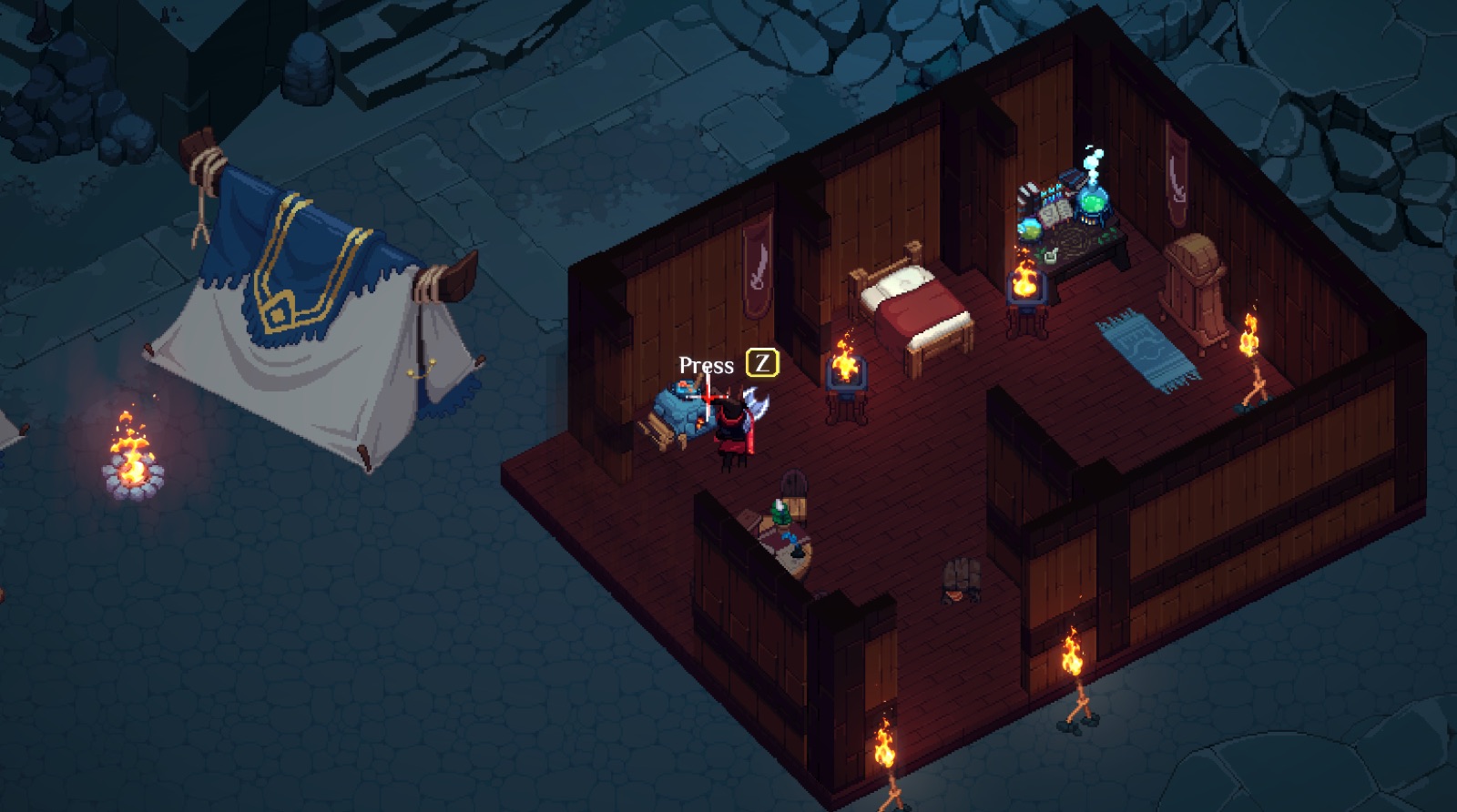
Dimraeth pets are combat companions and loot couriers in one system: they fight beside you with abilities that apply status effects or restore resources, they level up, and they carry items back to your sanctum chests while you stay in the field. The system is not available from the start — community guides report it opens through Myrll, the exiled forest spirit from official lore, once you recruit her and progress deep enough into the story. This guide covers the unlock chain as players have documented it, the abilities of each known companion, how pet leveling works, and the courier mechanics that make pets as useful for inventory management as for combat.
Unlocking the companion system through Myrll
Official material describes Myrll as a forest spirit exiled by the very forest she cherished, lingering silently at its edge — and community guides identify her as the gateway to pets. The documented chain runs: progress far enough into the story to meet Myrll, finish her request and invite her to your sanctum, continue until the broken bridge on the main route is repaired, then enter the Beast-Occupied Ruins and defeat the Alpha Wolf there. When you return to Myrll afterward, community players report the Fangra Cub becomes available through her companion trade for a modest gold price. Two details recur in player reports: ordinary wolves do not substitute for the Alpha Wolf encounter, and pets can receive custom names — one documented Fangra Cub was called Nero — so always search by species name, not the name your pet displays.
The known pets and what their abilities do
Early players have documented five companions with distinct jobs. The Fangra Cub is the flexible first pet: its Savage Leap dashes through the nearest enemy combining Strike Damage, Bleeding, and Chill, so it contributes before you have any dedicated status build. The Moon Cat is the caster's pet — its Astral Purr restores Concentration over a couple of seconds, feeding spell-hungry rotations, and the restore amount grows as the cat levels. The Carrion Parrot is the melee status pet: its Carrion Sweep watches for Bleeding enemies and adds one more Bleed stack to the target plus two to a nearby enemy, which makes it a natural partner for bleed-focused builds. The Ember Hound brings its own offense, dashing through enemies and leaving a fire pit that deals Fire Damage and applies Burning. Community guides also mention a defensive companion whose ability grants a short damage-absorbing barrier after you take a hit. For build matching, see our best pets page.
Pet levels and the Pet Pen
Pets earn XP and their abilities improve with levels — community players report the Moon Cat's Concentration restore scaling upward as it levels, and one documented Fangra Cub reaching level four, where the interface showed max level. Treat that cap as an observation of the current build rather than a permanent rule, since Early Access balance can move it. The practical consequence is real: constantly swapping companions slows the development of the pet actually contributing to your fights. Unused companions can be parked at the sanctum in the Pet Pen, which keeps them safe while another pet travels with you. Whether pets passively gain XP while penned is not confirmed — community testers report no reliable passive leveling — so equip a pet when you want it to grow. Recruiting Myrll herself is part of the wider ally system covered in the NPC guide.
Courier, inventory weight, and trade rules
The half of the pet system players underestimate is logistics. Companions have their own inventory, and the Courier function sends pet-carried items to a sanctum chest you select — the interface shows each chest's remaining capacity before the transfer, and community guides note a full chest simply cannot receive, so keep storage space ahead of your farming. This lets a long Wildwood or cave run continue past the point where your own bags would normally force a teleport home. The costs and limits are documented too: community wikis report each equipped pet occupies inventory weight, and pets cannot be sold, traded to teammates, or stored in ordinary chests. Multiple pets can roam your base freely, but only the active companion joins expeditions. For where couriered loot ends up, the base building guide covers chest planning, and the world and quests hub indexes the rest of this cluster.
FAQ
How do you get a pet in Dimraeth?
Community guides report the companion system opens through Myrll, the exiled forest spirit: meet her during the story, complete her request, invite her to your sanctum, then progress until you can defeat the Alpha Wolf at the Beast-Occupied Ruins and trade with her for the Fangra Cub.
How many pets are in Dimraeth?
Community summaries of Early Access materials say nine unique pets are named, grouped into dogs, cats, and birds by community wikis. Only a handful — Fangra Cub, Moon Cat, Carrion Parrot, Ember Hound, and a defensive barrier companion — are widely documented by players so far.
Can you trade or sell pets in Dimraeth?
No. Community wikis report pets cannot be sold to merchants, traded to teammates, or deposited in regular storage chests. Each pet also occupies inventory weight while equipped, so manage companions deliberately.
Official sources
Related guides
Browse all →Dimraeth Best Pets — Which Companion Fits Your Build
The best Dimraeth pets by build: Moon Cat for casters, Carrion Parrot for bleed melee, Ember Hound for fire, Fangra Cub as the all-rounder, plus defensive options.
Dimraeth Bosses Guide — Every Named Boss in Early Access
Every Dimraeth boss reported so far: the Goblin King, Aelwynor the Wildroot Father, demo-era fights, and how Bounty reruns and Deed levels scale the difficulty.
Dimraeth Endgame Guide — What To Do After the Forest King
The Dimraeth endgame explained: what happens after the current story ends, Deed Level boss farming, build refinement, pets, sanctum work, and what Early Access adds next.
Dimraeth Goblin Caves Guide — the New Early Access Region
Everything reported about the Dimraeth Goblin Caves: the new Early Access region from Mudtek's September notes, goblin enemies, the expected major boss, and prep tips.
Dimraeth Map Guide — Every Named Region in Mirkea
The Dimraeth map explained: confirmed regions from the Lost Caverns to Wildwood Forest and Goblin Caves, how map reveal works, and what stays unconfirmed in Early Access.
Dimraeth NPC Guide — Characters, Lore & Relationships
Every named Dimraeth NPC — Befr, Manga, Eldorian, Tamsin, Myrll and Alaric Audet — with their official lore, plus how relationships and recruiting allies work.